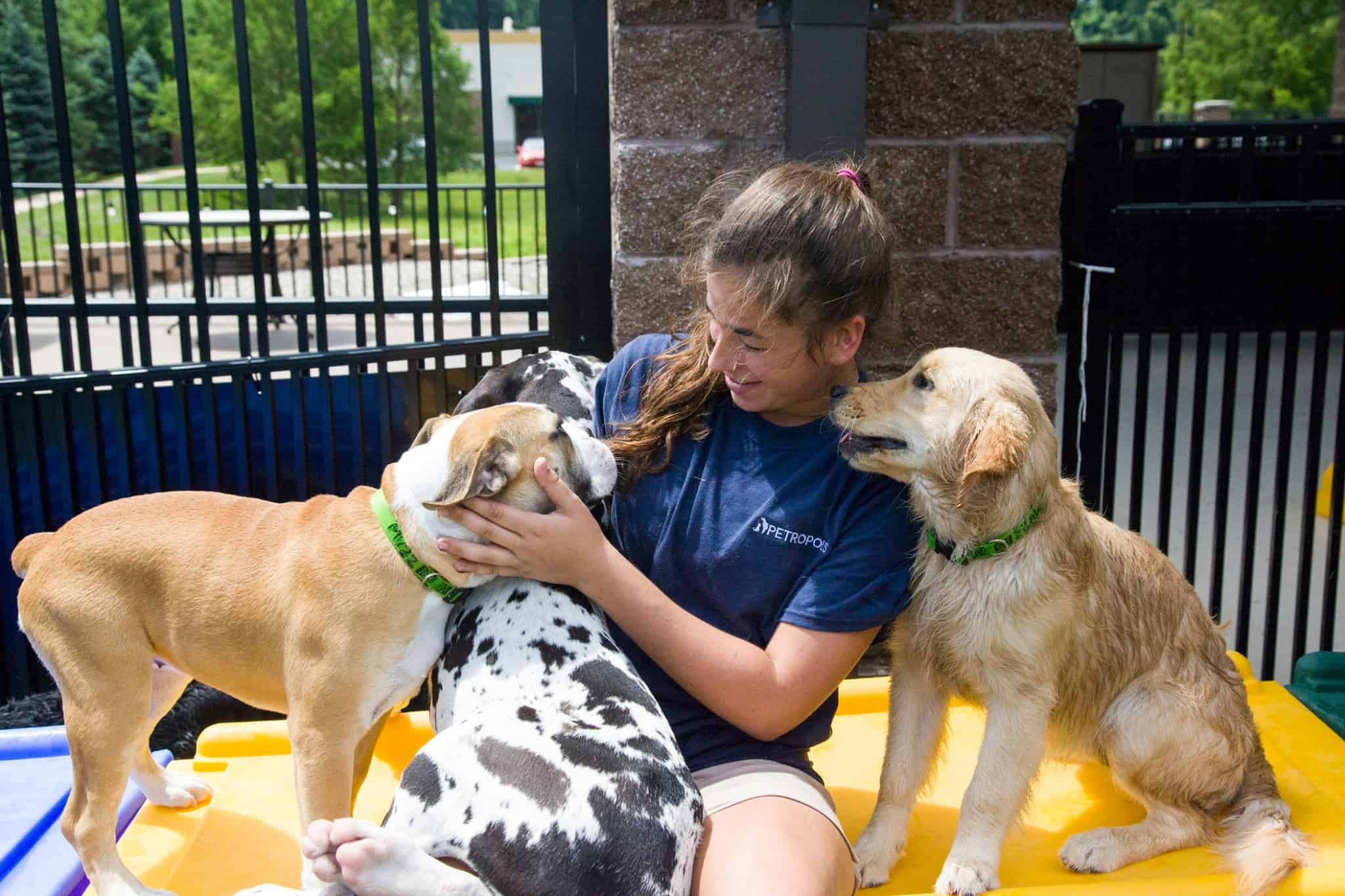
1. Plan the Service Model
A dog daycare business should clearly define what it offers. Some businesses focus only on
daytime care, while others include overnight boarding, walking routines, training support,
grooming care, or special care for senior dogs. Clear service definitions help owners understand
what they are paying for and what their dog will experience.
2. Prepare Health and Safety Rules
Health and safety procedures should be written before accepting dogs. Owners should understand
vaccination expectations, recent illness rules, emergency contact requirements, medication
instructions, feeding notes, and behavior disclosure requirements.
3. Design Daily Dog Routines
Dogs need structure. A good care routine includes check-in, supervised play, walking or bathroom
breaks, water, quiet rest, feeding time when required, and pickup notes. Constant activity without
rest can create stress, while balanced routines create a safer and calmer environment.
4. Train the Team
Staff or helpers should understand dog body language, safe group handling, cleaning routines,
emergency steps, owner communication, and when a dog needs space. A reliable team can prevent
confusion and make the experience feel more professional.
5. Build Local Business Trust
Local dog care businesses need transparent contact details. A visible address, phone number,
directions page, service pages, procedures page, team page, and customer experience page help
owners feel more confident before calling.
6. Keep the Website Useful
A good website should answer real questions: where the business is located, what services are
offered, what to bring, how check-in works, how overnight boarding works, and how owners can
call or email. This helps visitors and search engines understand the business clearly.